






























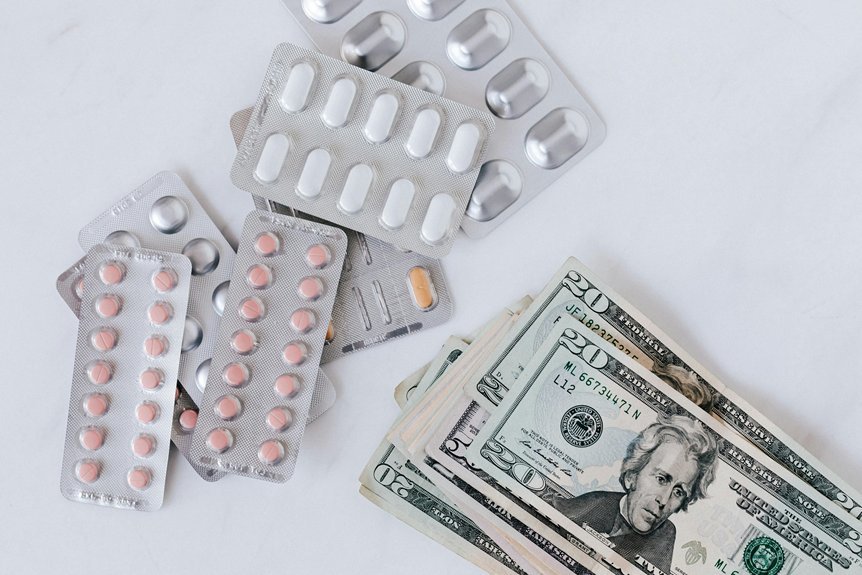
GLP-1 medications typically cost between $800 and $1,200 per month without insurance. If you have insurance, your out-of-pocket costs usually range from $30 to $150, depending on your plan’s specifics. Brand names, dosages, and pharmacy locations can also affect prices greatly. Furthermore, there are potential savings programs available that may help reduce your costs further. Explore these options to manage your expenses better and discover more about how GLP-1s can fit into your treatment plan.
Overview of GLP-1 Medications
GLP-1 medications, or glucagon-like peptide-1 receptor agonists, have gained significant attention as effective treatments for type 2 diabetes and obesity.
These medications work by mimicking the hormone GLP-1, which stimulates insulin secretion, suppresses glucagon release, and slows gastric emptying. As a result, you can experience improved blood sugar control and reduced appetite.
Not only do these treatments help manage diabetes, but they also support weight loss, making them a dual-purpose solution. Commonly prescribed options include liraglutide and semaglutide, each with unique dosing schedules.
If you’re considering GLP-1 medications, it’s important to consult healthcare professionals who can guide you on the best choice for your needs while ensuring you understand their benefits and potential side effects.
Factors Influencing GLP-1 Costs
When considering the monthly costs of GLP-1 medications, several factors come into play that can greatly impact your out-of-pocket expenses.
First, the specific medication you choose can vary considerably in price. Brand-name GLP-1s often cost more than generic alternatives, if available.
Your location also matters; prices can differ based on regional pharmacy pricing and local market conditions.
Additionally, the dosage required for effective treatment can influence monthly costs.
Your insurance plan’s formulary and coverage levels will further determine your expenses, as some plans may have higher co-pays for certain medications.
Finally, pharmacy discounts and manufacturer coupons can help reduce costs, so always explore these options to potentially save money.
Monthly Costs Without Insurance
How much can you expect to pay for GLP-1 medications without insurance? The monthly cost typically ranges from $800 to $1,200, depending on the specific medication and dosage.
Medications like semaglutide and liraglutide can be particularly pricey, impacting your budget considerably. You might also encounter varying prices based on your pharmacy and location, so it’s wise to shop around for the best deal.
Additionally, some pharmaceutical companies offer patient assistance programs, which can help reduce your costs.
If you’re considering GLP-1 therapy, it’s essential to plan for these expenses. Knowing the potential financial burden can help you make informed decisions about your treatment options and guarantee that you’re prepared to manage your health effectively.
Monthly Costs With Insurance
Wondering what your monthly costs for GLP-1 medications might look like with insurance? The good news is that having insurance can greatly reduce your out-of-pocket expenses.
Depending on your plan, you may pay a copayment or coinsurance, which typically ranges from $30 to $150 monthly. Some plans also have a deductible, which means you’ll need to pay a certain amount before coverage kicks in.
It’s essential to check your specific plan’s formulary, as not all GLP-1 medications are covered equally.
Additionally, some manufacturers offer patient assistance programs that can further lower your costs. By understanding your insurance benefits, you can make informed decisions that ultimately benefit your health and financial well-being.
Comparing Different GLP-1 Medications
As you explore your options, comparing different GLP-1 medications can help you make an informed choice that aligns with your health needs and budget.
Each medication has unique features, effectiveness, and cost implications. Consider these factors:
- Dosage frequency: Some require weekly injections, while others may be daily.
- Side effects: Understand potential reactions, like nausea or digestive issues.
- Efficacy: Research how well each medication controls blood sugar and aids in weight loss.
- Formulation: Options may include pens, injectables, or tablets.
- Cost variations: Prices can differ greatly, impacting your monthly expenses.
Potential Savings Programs and Discounts
After evaluating various GLP-1 medications and their associated costs, it’s important to explore potential savings programs and discounts that can greatly reduce your out-of-pocket expenses.
Many pharmaceutical companies offer patient assistance programs designed to help those who qualify. These programs can provide significant discounts or even free medications.
Additionally, some pharmacies run their own discount programs or membership plans that may lower the price of GLP-1 medications.
Don’t forget to check if your insurance provider has any special arrangements or discounts for these drugs.
Using a combination of these savings options can make managing your medications more affordable, ensuring you can focus on your health and well-being without financial stress.
Making Informed Decisions About GLP-1 Use
How can you guarantee that you’re making the best choices regarding GLP-1 medications? Start by gathering essential information and evaluating your needs. Here are some key points to reflect on:
- Consult your healthcare provider for personalized advice.
- Review potential side effects and benefits critically.
- Compare costs with and without insurance to identify the best financial option.
- Stay informed about new research and treatment options.
- Join support groups to hear experiences from others.
Making informed decisions is vital for effective treatment. By taking proactive steps, you can empower yourself and others in your community.