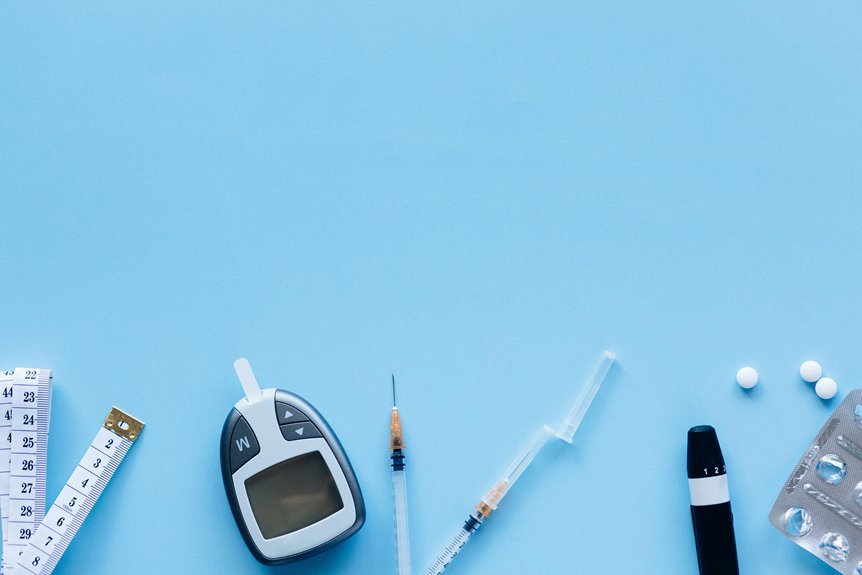
After stopping GLP-1 medications, they generally stay in your system for a few hours to several days. This duration depends on the specific drug formulation and your individual metabolism, kidney function, and overall health. Short-acting versions clear out more quickly, while long-acting options can persist longer. Be aware of potential side effects, like increased appetite or fluctuations in blood sugar, and learn how to manage your health as these changes occur.
Understanding GLP-1 Receptor Agonists
When you look into GLP-1 receptor agonists, you’ll find that these medications play an essential role in managing conditions like type 2 diabetes and obesity. They mimic a hormone called GLP-1, which helps regulate blood sugar levels and appetite.
By enhancing insulin secretion when glucose levels are high, these drugs not only lower blood sugar but also promote weight loss. Patients often experience improved satiety, leading to reduced food intake.
Additionally, GLP-1 receptor agonists can lower the risk of cardiovascular complications, making them a valuable option for many individuals.
Understanding these benefits can empower you to support others in their health journeys, fostering a community focused on wellness and informed decision-making in diabetes and obesity management.
Pharmacokinetics of GLP-1 Medications
Understanding the pharmacokinetics of GLP-1 medications is crucial for anyone managing diabetes or obesity. These medications mimic the natural GLP-1 hormone, enhancing your body’s ability to regulate blood sugar and appetite.
They typically have a half-life ranging from one to seven days, depending on the specific drug. After injection, GLP-1 medications are absorbed into your bloodstream, achieving peak concentration within a few hours.
They interact with GLP-1 receptors, stimulating insulin secretion while inhibiting glucagon release. This mechanism helps control your blood sugar levels effectively.
It’s important to follow your prescribed dosing schedule, as this guarantees ideal therapeutic effects and minimizes side effects. Understanding these pharmacokinetics can empower you to make informed decisions about your treatment.
Factors Affecting GLP-1 Elimination
Several factors can influence how quickly GLP-1 medications are eliminated from your system. Your age, weight, and overall health play essential roles in this process.
For example, younger individuals might metabolize medications more quickly than older adults. Additionally, if you have liver or kidney conditions, the elimination may be slower due to reduced organ function.
The specific GLP-1 medication you’re taking also matters, as different formulations have varying half-lives.
Finally, your diet and physical activity level can affect metabolism rates, impacting how efficiently your body processes the medication.
Understanding these factors can help you and your healthcare provider make informed decisions about your treatment plan and any adjustments needed after discontinuing GLP-1 therapy.
Duration of GLP-1 in the Body
GLP-1 medications can remain in your body for varying durations, typically ranging from a few hours to several days, depending on the specific drug and individual factors.
For instance, short-acting formulations, like exenatide, may clear from your system within 24 hours, while long-acting options, such as semaglutide, can persist for several days.
Your metabolic rate, kidney function, and dosage also play significant roles in how quickly these medications are eliminated.
Understanding the duration helps you and your healthcare provider make informed decisions about your treatment plan.
If you’re considering stopping a GLP-1 medication, it’s important to discuss this with your provider to guarantee a smooth change and maintain peak health.
Potential Side Effects After Discontinuation
When you stop taking GLP-1 medications, you might experience a range of side effects as your body adjusts to the change. Some individuals report increased appetite, which can lead to weight gain.
You may also notice fluctuations in blood sugar levels, causing fatigue or irritability. Gastrointestinal issues, such as nausea or diarrhea, might occur as your digestive system recalibrates.
Additionally, some people experience mood swings or anxiety due to alterations in metabolic processes.
It’s essential to monitor these symptoms and communicate with your healthcare provider, who can help you navigate this shift and provide support.
Understanding these potential side effects can empower you to make informed decisions about your health during this time.
Managing Your Health Post-GLP-1
Adjusting to life after GLP-1 medications requires a proactive approach to managing your health. Here are four key strategies to take into account:
- Monitor Your Diet: Focus on balanced meals rich in whole foods to support overall health.
- Stay Active: Incorporate regular physical activity into your routine to maintain weight and improve well-being.
- Track Your Blood Sugar: Regularly check your levels to better understand how your body reacts post-medication.
- Build a Support System: Connect with healthcare professionals, friends, or support groups to share experiences and advice.
When to Consult a Healthcare Professional
Recognizing the right time to consult a healthcare professional is essential for your ongoing health after discontinuing GLP-1 medications.
If you experience any unusual symptoms, such as significant weight changes, persistent nausea, or gastrointestinal issues, don’t hesitate to reach out.
It’s also important to discuss any new medications or lifestyle changes, as these can affect your overall well-being.
If you notice fluctuations in blood sugar levels or find it challenging to manage your diabetes, a healthcare provider can offer tailored guidance.
Regular check-ins can help you navigate your health journey more effectively.