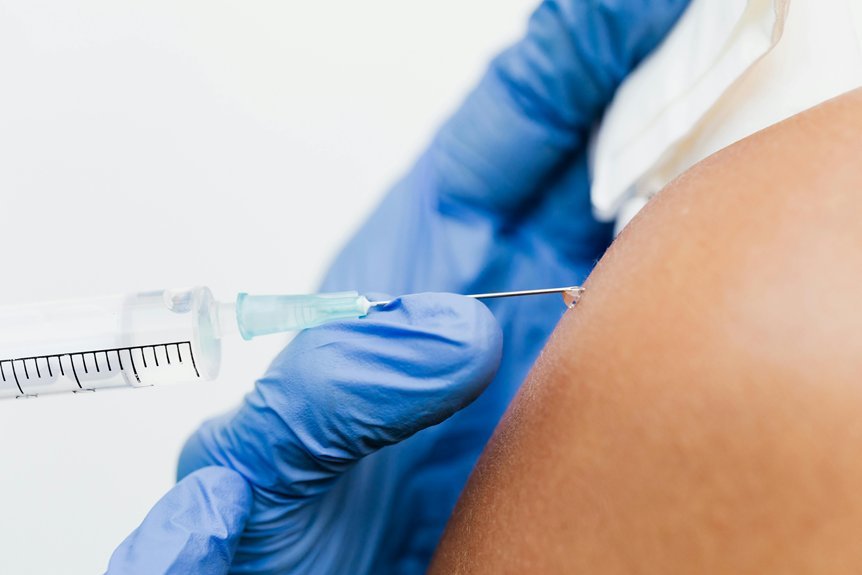

For ideal absorption of GLP-1 medications, inject into the outer thigh, about halfway between your hip and knee. Make sure the skin is clean and free of any scars or moles. It’s important to rotate your injection sites to avoid tissue damage. By choosing the right location and technique, you enhance the medication’s effectiveness. If you’re interested in learning more about preparation and injection techniques, continue exploring further information and tips.
Understanding GLP-1 Medications and Their Benefits
When you consider managing conditions like obesity or type 2 diabetes, understanding GLP-1 medications becomes vital.
These medications, such as liraglutide and semaglutide, mimic the incretin hormone, promoting insulin secretion and reducing glucagon levels. They help regulate blood sugar and can lead to weight loss by decreasing appetite.
By enhancing satiety, GLP-1 medications support individuals in making healthier food choices. Additionally, they’ve shown cardiovascular benefits, lowering the risk of heart disease.
It’s important to familiarize yourself with these medications to empower your patients or clients in their health journeys. Understanding their benefits enables you to provide informed guidance, ensuring that those you serve can manage their conditions effectively and improve their overall quality of life.
Importance of Proper Injection Technique
Understanding the benefits of GLP-1 medications is just the beginning; knowing how to administer them properly is equally important. Proper injection technique guarantees ideal absorption and effectiveness of the medication, which can greatly impact your patients’ health.
When you inject correctly, you minimize discomfort and reduce the risk of complications, such as infections or lipodystrophy. Always use a clean needle and rotate injection sites to prevent tissue damage. This not only enhances medication delivery but also fosters trust with those you serve.
Educate your patients about the importance of following these techniques, as their adherence can lead to better outcomes. By prioritizing proper injection methods, you empower your patients to manage their conditions effectively and improve their overall well-being.
Choosing the Right Injection Site in the Thigh
Choosing the right injection site in the thigh is vital for effective GLP-1 administration. Focus on the outer thigh, about halfway between your hip and knee. This area tends to have sufficient muscle and fat, promoting better absorption of the medication.
Confirm that the skin is clean and free from any scars or moles, as these can affect absorption rates. It’s important to rotate injection sites within the thigh to avoid tissue damage and guarantee consistent medication delivery.
Avoid injecting into areas with visible veins or areas that feel hard or lumpy. By selecting the appropriate site, you’ll enhance the efficacy of the medication and ultimately improve the health outcomes for those you serve.
Preparing for Your Injection
Before you begin the injection process, it’s important to gather all necessary supplies and confirm you have a clean and comfortable environment.
Start by collecting your GLP-1 medication, a sterile syringe, alcohol swabs, and a sharps container for disposal.
Verify your workspace is well-lit and free from distractions to maintain focus.
Wash your hands thoroughly with soap and water, or use hand sanitizer if soap isn’t available.
While waiting for your hands to dry, review any specific instructions provided with your medication.
It’s vital to feel relaxed; take a few deep breaths to ease any anxiety.
Step-by-Step Guide to Injecting in the Thigh
To successfully inject GLP-1 in your thigh, follow these straightforward steps to guarantee both safety and effectiveness.
- Choose the right spot: Identify the outer thigh, about halfway between your hip and knee, ensuring it’s clean and free of any bumps or bruises.
- Prepare the injection site: Clean the area with an alcohol swab and let it dry completely to reduce the risk of infection.
- Inject the medication: Hold the syringe like a pencil, pinch the skin gently, and insert the needle at a 90-degree angle. Press the plunger slowly and steadily to deliver the medication.
After the injection, dispose of the needle properly and apply gentle pressure to the site with a cotton ball.
Always follow your healthcare provider’s instructions for best results.
Tips for Minimizing Discomfort During Injection
Many people find that taking a few simple steps can significantly reduce discomfort during a GLP-1 injection.
First, make sure you’re using a clean, sharp needle. A dull needle can increase pain.
Before injecting, gently pinch the skin where you’ll insert the needle; this can help numb the area. Additionally, consider using a cold pack for a few minutes prior to the injection; it can minimize sensitivity.
When you’re ready to inject, do it quickly and smoothly to lessen the sting. After injecting, apply gentle pressure with a cotton ball or gauze; this can help prevent bruising.
Finally, maintain a consistent routine, as familiarity can ease anxiety and discomfort over time.
Common Mistakes to Avoid
While preparing for a GLP-1 injection, it’s crucial to avoid several common mistakes that can lead to complications or discomfort.
By being mindful of these issues, you can guarantee a smoother experience for both you and those you serve.
Keep an eye out for these common pitfalls:
- Injecting into the wrong site: Make sure you’re using the recommended area in the thigh for maximum absorption.
- Not rotating injection sites: Stick to different areas within the thigh to prevent tissue damage and promote better medication efficacy.
- Forgetting to check the needle: Confirm it’s sharp and free of any obstructions to minimize pain and assure proper delivery.
Post-Injection Care and Monitoring
After successfully administering a GLP-1 injection, proper post-injection care and monitoring can greatly enhance the overall experience.
First, apply gentle pressure with a clean cotton ball or gauze at the injection site to minimize bleeding. Avoid rubbing the area, as this could interfere with absorption.
Monitor for any immediate reactions, such as swelling, redness, or discomfort. It’s crucial to keep track of your injection schedule and any side effects you may experience.
Consider maintaining a log to note your medication response and any changes in your health. If you notice any unusual symptoms, don’t hesitate to contact your healthcare provider for guidance.
This proactive approach can help guarantee effective treatment and overall well-being.