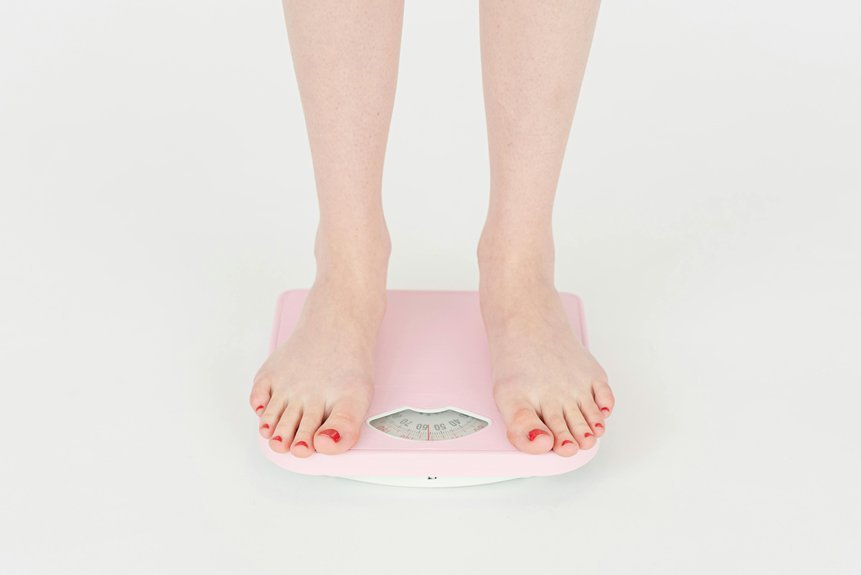

To microdose GLP-1 for weight loss and minimize side effects, start with subtherapeutic doses under professional guidance. This approach can effectively suppress appetite without the intensity of traditional doses. Regularly monitor your body’s response, and incorporate hydration and a balanced diet to support your health. Physical activity also amplifies weight loss benefits. If you focus on these strategies, you can enhance your microdosing experience and achieve your goals more effectively. There’s so much more to explore!
Understanding GLP-1 and Its Role in Weight Management
Understanding GLP-1 and its role in weight management reveals a fascinating interplay between hormones and appetite regulation.
As a glucagon-like peptide, GLP-1 is secreted in response to food intake, signaling your brain to reduce hunger and increase feelings of fullness. This hormone not only slows gastric emptying but also enhances insulin secretion while inhibiting glucagon release, making it pivotal in glucose metabolism.
By promoting satiety, GLP-1 helps you make healthier choices, ultimately supporting weight loss efforts. Recognizing how GLP-1 functions can empower you to guide others in their weight management journeys.
It’s essential to understand that optimizing GLP-1 levels through lifestyle changes or medications can greatly impact overall health and well-being.
The Concept of Microdosing: What You Need to Know
While many people associate microdosing with psychedelics, the concept has gained traction in the domain of pharmaceuticals, particularly for managing weight through GLP-1 therapies.
Microdosing involves administering subtherapeutic doses of a medication, which can help you achieve desired effects with fewer side effects. By using smaller doses of GLP-1 agonists, you can potentially maximize their benefits while minimizing adverse reactions.
This method allows for greater flexibility in dosage and may lead to more sustainable long-term weight management. It’s vital to approach microdosing under professional guidance to guarantee safety and efficacy.
Benefits of Microdosing GLP-1 for Weight Loss
Microdosing GLP-1 for weight loss offers several compelling advantages that can make your weight management journey more effective.
By using smaller doses, you can experience appetite suppression without the intense side effects that often accompany higher doses. This approach can lead to more sustainable weight loss, as you’re likely to maintain a balanced lifestyle while feeling satisfied with smaller portions.
Additionally, microdosing can help improve your body’s insulin sensitivity, which is essential for regulating blood sugar levels. This not only supports weight loss but also promotes overall health.
Furthermore, you’ll find that you’re less prone to gastrointestinal issues, allowing you to focus on your weight loss goals without discomfort.
Ultimately, microdosing GLP-1 can be a game-changer in your weight management efforts.
How to Determine the Right Microdose of GLP-1
Determining the right microdose of GLP-1 for weight loss involves careful consideration of your individual health needs and response to the medication.
Start by consulting with your healthcare provider to assess your medical history and weight loss goals. They’ll help you establish a baseline and suggest an initial dose based on clinical guidelines.
Monitor your body’s response closely—note any side effects, hunger levels, or changes in appetite. Adjustments may be necessary, as everyone’s reaction can differ.
It’s crucial to communicate openly with your provider about what you experience. This collaborative approach guarantees you find the most effective and safe microdose, allowing you to support both your health and your weight loss journey effectively.
Methods of Administering Microdoses of GLP-1
When you consider how to administer microdoses of GLP-1, you’ll find several effective methods that can fit into your routine.
One popular approach is subcutaneous injections, which are typically easy to self-administer. For those who prefer not to inject, oral formulations may soon become available, providing a convenient alternative.
Another method is to use an auto-injector device, allowing for precise dosing without the need for traditional syringes. Additionally, some individuals find success with transdermal patches, which release GLP-1 gradually through the skin.
Whichever method you choose, it’s crucial to stay consistent and monitor your body’s response, ensuring that you’re optimizing your microdosing for weight loss while maintaining overall health.
Always consult a healthcare professional before starting any regimen.
Potential Side Effects and How to Minimize Them
Although many individuals find microdosing GLP-1 beneficial for weight loss, it’s important to be aware of potential side effects that can arise. Common side effects include nausea, diarrhea, and abdominal discomfort.
To minimize these issues, start with a low dose and gradually increase it, allowing your body to adjust. Staying hydrated and eating smaller, more frequent meals can also help reduce gastrointestinal discomfort.
Additionally, consider monitoring your body’s reactions closely and consult with a healthcare professional if side effects persist or worsen. By being proactive and informed, you can enhance your microdosing experience while prioritizing your health and well-being, ultimately fostering a supportive environment for others on a similar journey.
Incorporating Microdosing Into Your Weight Loss Plan
Incorporating microdosing GLP-1 into your weight loss plan can greatly enhance your results if done thoughtfully.
To integrate this into your routine effectively, consider the following steps:
- Start Low and Go Slow: Begin with a minimal dose to assess your body’s response and gradually increase it as needed. This helps minimize side effects while optimizing weight loss.
- Combine with a Balanced Diet: Pair microdosing with a nutritious diet rich in whole foods. This approach supports your overall health and enhances the effectiveness of GLP-1.
- Stay Hydrated and Active: Confirm you drink plenty of water and engage in regular physical activity.
These habits will support your weight loss journey and improve your overall well-being.
Monitoring Your Progress: Tracking Weight Loss With Microdosing
As you commence your weight loss journey with microdosing GLP-1, monitoring your progress becomes essential to confirm you’re on the right track.
Start by keeping a detailed journal of your weight, noting changes weekly. This will help you identify trends and adjust your microdosing regimen accordingly. Consider using apps or tools that track your weight loss, providing visual insights into your progress.
It’s also helpful to track other health metrics, like energy levels and appetite, as these can indicate how well the microdosing is working for you.
Regularly consult with a healthcare professional to confirm you’re meeting your goals safely and effectively. Remember, consistency is key, and small adjustments can lead to significant results over time.
Lifestyle Changes to Enhance the Effects of GLP-1 Microdosing
Monitoring your progress with GLP-1 microdosing is important, but enhancing its effects through lifestyle changes can greatly amplify your results.
Here are three key adjustments you can make:
- Balanced Nutrition: Focus on whole foods, incorporating plenty of fruits, vegetables, lean proteins, and healthy fats. This helps support your metabolism and overall health.
- Regular Exercise: Aim for at least 150 minutes of moderate aerobic activity each week. Exercise not only aids in weight loss but also improves mood and energy levels.
- Adequate Sleep: Prioritize 7-9 hours of quality sleep per night. Sleep deprivation can hinder weight loss and disrupt insulin sensitivity, diminishing the effects of GLP-1.
Expert Tips for Safe and Effective Microdosing Practices
While initiating a GLP-1 microdosing regimen, it’s crucial to adopt practices that guarantee both safety and effectiveness.
First, consult with a healthcare professional to determine the appropriate dose tailored to your needs. Start with a low dose, gradually increasing it based on your body’s response.
Keep a journal to track your progress and any side effects you experience. Staying hydrated and maintaining a balanced diet can enhance the benefits of microdosing.
Additionally, incorporate regular physical activity to support weight loss efforts. Always remain vigilant for any adverse reactions and don’t hesitate to reach out to your healthcare provider if needed.